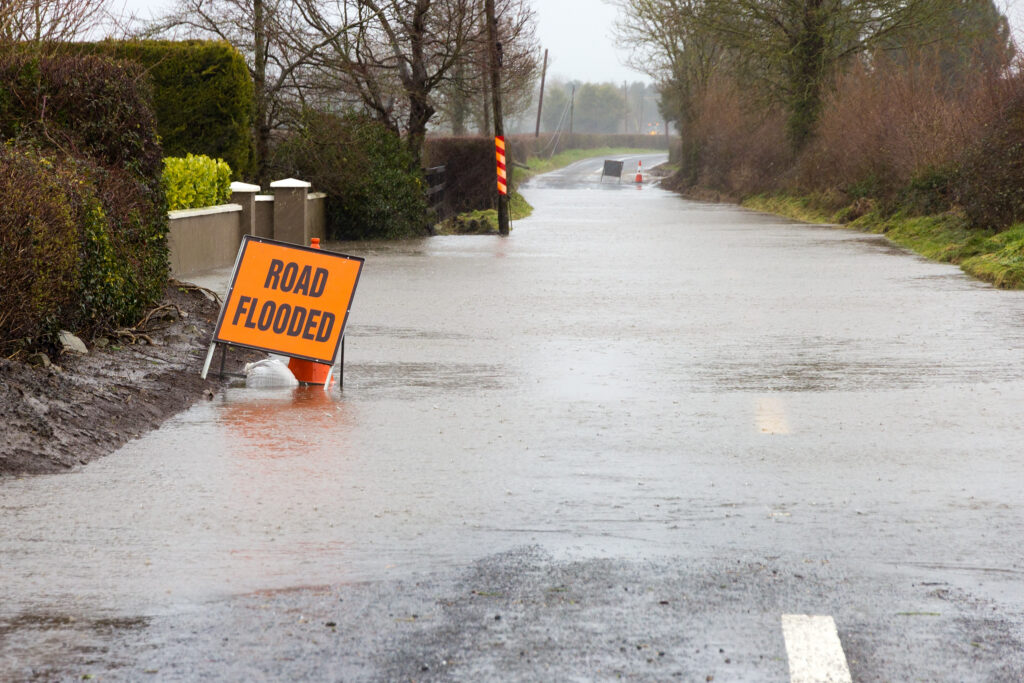

Ireland’s Wettest January Since 1941

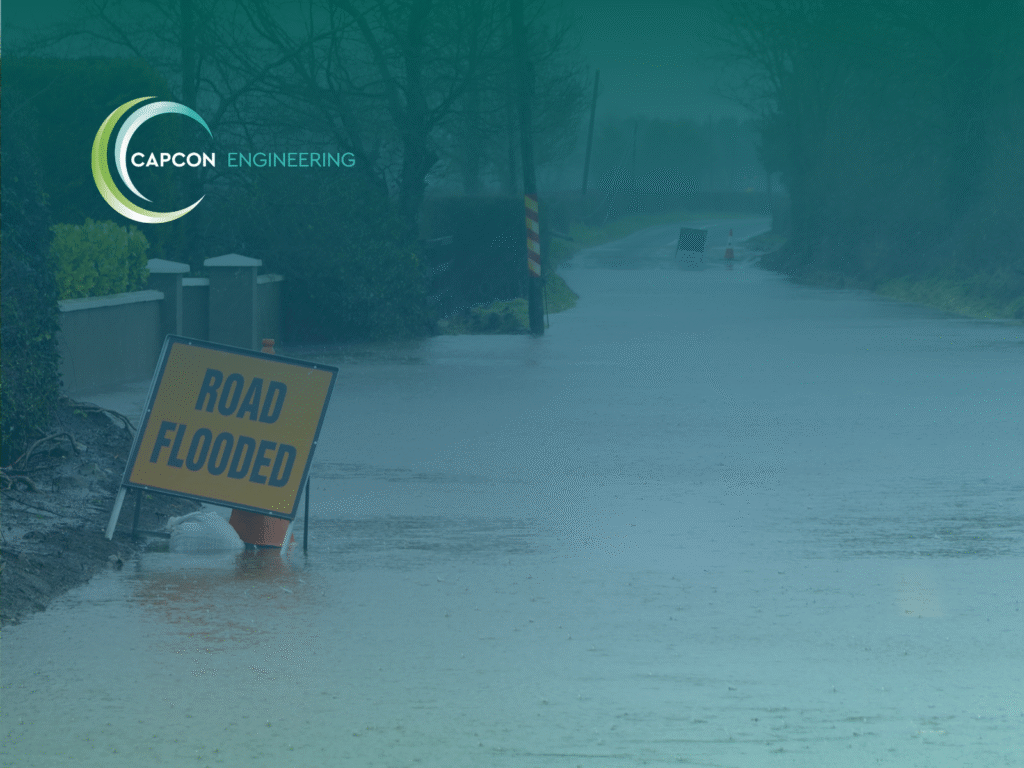
It hasn’t gone unnoticed that January 2026 delivered 123% of normal rainfall nationally, with Dublin recording its second wettest January since records began in 1941. In Wexford, Johnstown Castle saw 230% of its long-term average, alongside its highest rolling three-month total in 85 years. 

AdobeStock 64923831

Storm Chandra Paints a Picture

Storm Chandra made headlines—but the bigger picture here is the underlying pattern. This wasn’t a single burst of extreme weather; it was a sustained sequence of conditions that compounded the damage:

  • Slow-moving systems 
  • Repeated frontal rainbands 
  • Prolonged intensity over saturated ground 


Notably, this unfolded in a cool month. These were not convective summer downpours driven by heat, but persistent Atlantic systems delivering sustained rainfall at a time of year traditionally associated with lower atmospheric energy. That context makes the pattern all the more significant. 

AdobeStock 440956056

These patterns tell a story about how precipitation is changing—becoming more concentrated, less stable and harder to manage. 

In our recently published research in conjunction with Maynooth University—Designing Resilient Drainage Systems for Intensified Rainfall Due to Climate Change—we examined how drainage systems are still commonly designed using historical rainfall models that assume a stable climate. That assumption is no longer valid. 

Events once labelled “1-in-100 years” are occurring far more frequently. Designing to yesterday’s thresholds exposes tomorrow’s infrastructure. 

AdobeStock 762928492

Capcon's Julia Cavanaugh Publishes Paper on Rainwater

Sustainable and Technical Design Engineer Julia Cavanaugh of Capcon Engineering has published an exciting new research paper on the future of rainwater drainage in the face of climate change. The paper, co-authored with Eugene Finn and Professor John Sweeney of Maynooth University, is titled “Designing Resilient Drainage Systems for Intensified Rainfall Due to Climate Change.”

Global Climate Events

At Capcon, working across Ireland, UK, Europe and APAC we are seeing the same trend emerge globally: 

  • More intense rainfall 
  • Shorter durations 
  • Higher consequences of failure


Around the world, it’s more important than ever to implement a design strategy that is preventative rather than reactive. Waiting to protect a building from the increasing numbers and intensity of storms can have irreparable consequences. In our industry, we often see what happens when a modernised drainage system isn’t considered. 

Where We go from here

January showed that rainfall patterns are evolving. But we can see clearly that design practices need to evolve with them. 

We must design for the climate we are experiencing—not the climate we remember. The rain is changing, so must we.  

Written by

Meet Eugene Finn

Managing Director at Capcon

eugene finn