Siphonic Drainage for Dublin's Redeveloped Laya Arena
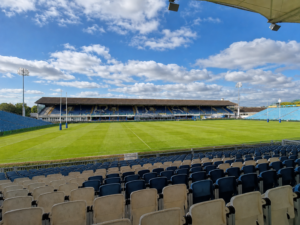
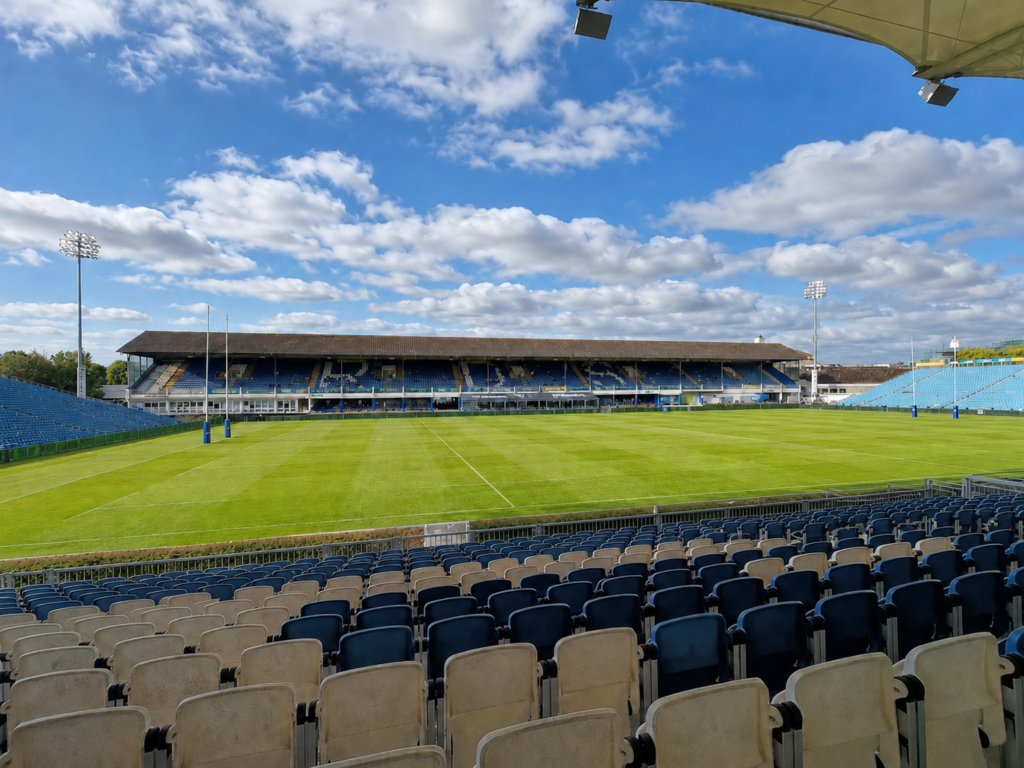
Capcon Engineering has delivered the rainwater drainage package for the redevelopment of Laya Arena (formerly RDS Arena), Dublin’s landmark multi-purpose stadium in Ballsbridge and home to Leinster Rugby.
-
ProjectLaya Arena, Royal Dublin Society, Dublin
-
Service ProvidedSiphonic and Gravity Drainage System, Filtration to Support Rainwater Harvesting
Project Overview
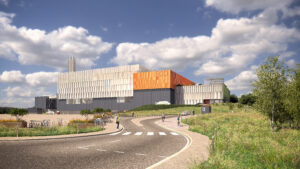
The redevelopment of the RDS’s Anglesea Stand and Grandstand has transformed one of Dublin’s most historic venues into a modern, multi-purpose arena with capacity in excess of 20,000. Delivered with RKD Architects, the project supports the RDS’s flagship Dublin Horse Show alongside Leinster Rugby fixtures, concerts and major public events.
Sustainability was a key consideration in the build, with the redeveloped venue incorporating rainwater-harvesting throughout. By utilising siphonic drainage to the main roof, we reduced raw materials by over 60% on the project.
Challenges
Siphonic drainage is well suited to stadium roofs. A large roof area with a small number of outlets means rainwater can be moved to ground level quickly and efficiently, which is exactly what a venue of this scale demands. Siphonic drainage provides additional protection against extreme weather events, significantly lowering the risk to the public during stadium events and providing robust protection as rainfall intensities continue to rise.
The complexity at Laya Arena came from what sits underneath the roof. In a typical building, walls separate the external envelope from the internal space, so the roof drainage and the building drainage are two distinct systems. In this case, the seating areas sit directly beneath the roof with no walls between them and the elements, so those areas also needed drainage, in addition to the main roof structure above.
A number of these areas weren’t large enough to run siphonically, so Capcon introduced a gravity system alongside the siphonic pipework, which meant more downpipes than what is typically necessary for siphonic drainage projects. The result is an intricate hybrid of siphonic and gravity drainage working side by side across the stadium, each doing the job it’s best suited to.
Key Considerations
Pipe routing added a further layer of coordination. It’s important that rainwater pipework is not visible in a stadium environment, so routes had to be planned to keep pipes out of sight wherever possible. This work required close, ongoing collaboration between Capcon, Elliott Construction, RKD and the wider members of the design team throughout design and installation.
Rainwater harvesting added another layer of complexity. The system needed to segregate water destined for reuse in toilets, irrigation, etc., from water going straight to attenuation, and route each to the correct tank. Harvested water passes through a leaf filter before storage to remove debris, and these units are bulky, so space had to be carefully planned to accommodate the filters alongside the large-diameter pipework running to and from the tanks. It is integral that these tanks are located in an area where they can be easily maintained.
The System
Capcon’s design for Laya Arena combines above-ground siphonic drainage with above-ground gravity drainage, working alongside an extensive below-ground network handling both siphonic and gravity flows. A dedicated rainwater harvesting system captures a significant proportion of collected water for reuse, supporting the sustainability commitments built into the wider Laya Arena redevelopment.