Siphonic Drainage for a Modern UK Heat and Power Facility
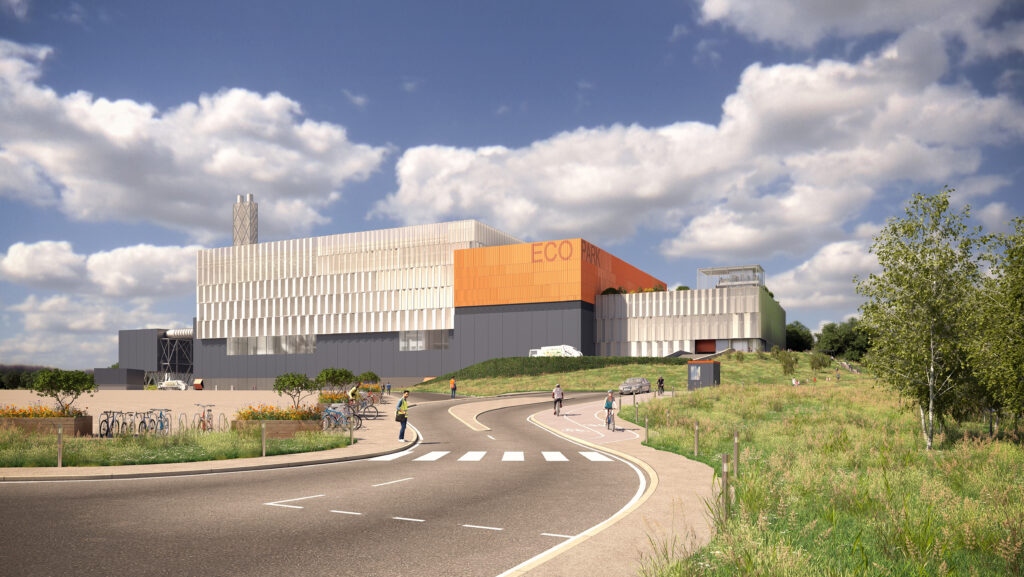
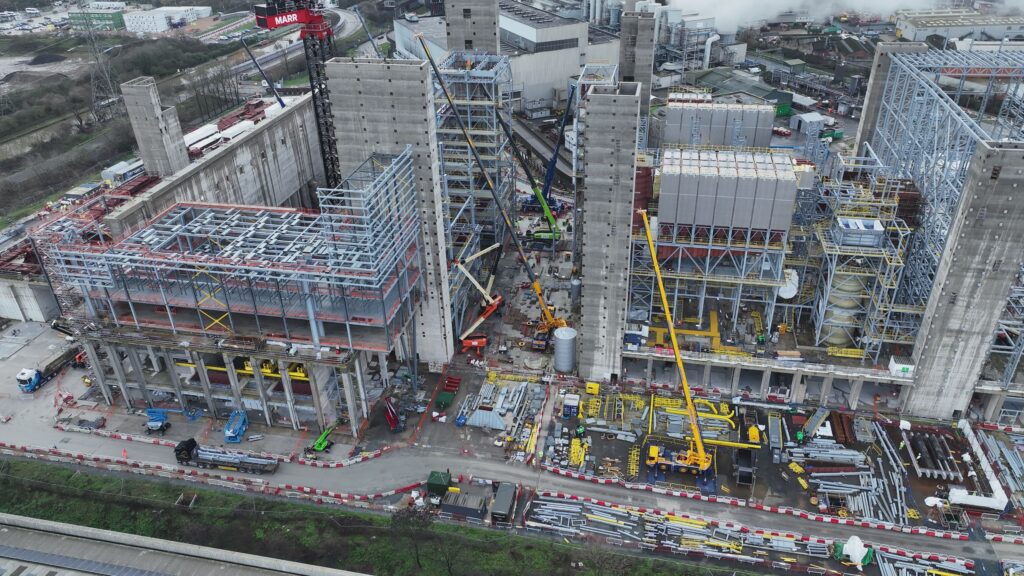
Capcon Engineering is delivering a high-performance siphonic drainage package for the North London Heat and Power Plant (NLHPP), a significant energy infrastructure project currently under development in the United Kingdom.
-
ProjectNorth London Heat & Power Plant (NLHPP)
-
Service ProvidedSiphonic Drainage System
Project Overview
A large-scale, technically demanding build, the NLHPP represents a major step forward in the capital’s approach to sustainable energy and low-carbon urban living.
When complete, the facility will generate electricity for up to 127,000 homes, supply hot water and heating for up to 60,000 local homes and businesses, capture emissions using the most advanced available technology to improve local air quality, and deliver carbon savings equivalent to removing 110,000 cars from the road each year.
Challenges
With 600 to 800 workers on site, existing waste-to-energy machinery already in place, and a congested north London location, the logistical demands were considerable from the outset. Pipework had to be installed around live plant and equipment, with future maintenance access maintained throughout, precision work in conditions that leave little margin for error.
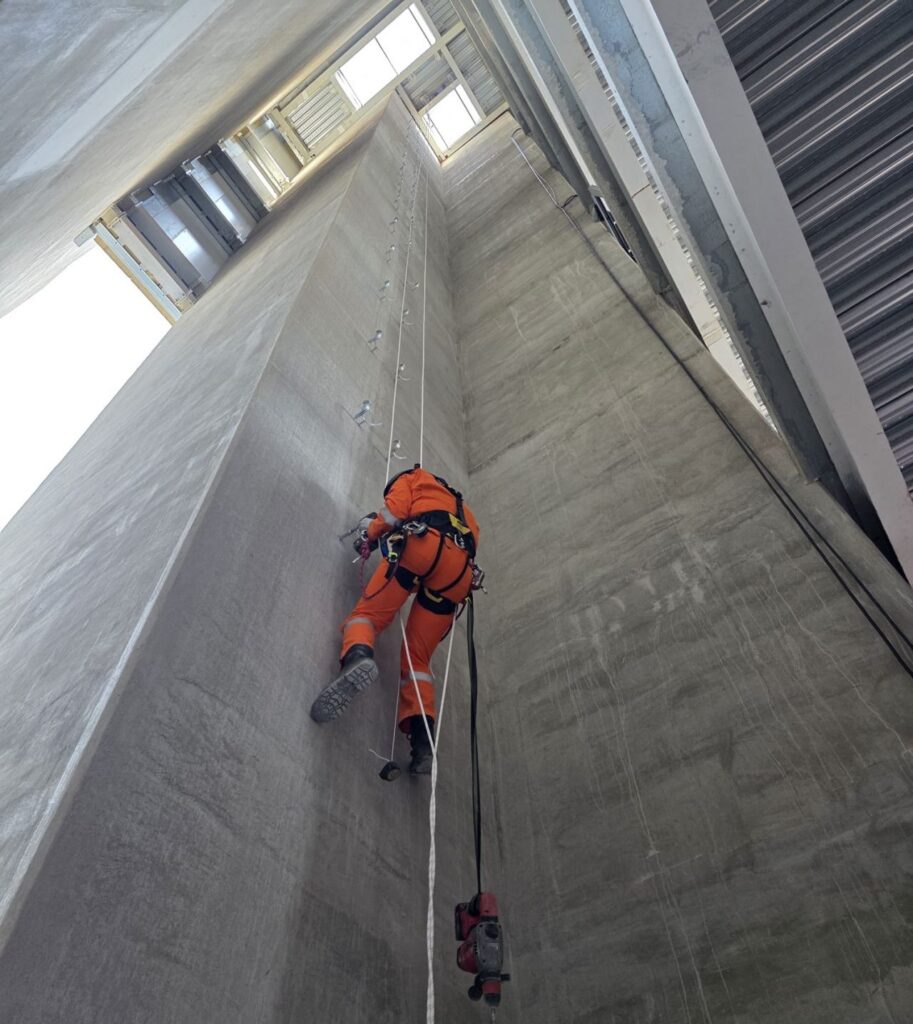
The most technically demanding element was installation height. With workers required to abseil at heights of up to 50 metres to fit 200–250mm diameter pipework across an open steel frame, specialist rope access technicians were deployed for this phase of the programme.
The System
Siphonic drainage was the logical solution for a facility of this scale and complexity. Full-bore flow eliminates the need for falls in horizontal pipework, allowing clean, coordinated routing through a heavily serviced steel frame without adding to the coordination burden on an already congested site. Fewer, smaller diameter pipes reduced the number of structural penetrations and potential conflict points with existing mechanical installations.
Capcon’s in-house engineering team completed the full hydraulic design, modelled against local rainfall intensity data and calculated to UK standards with climate change uplift factors incorporated. All prefabrication was completed on site, with a crew of eight managing installation, five specialist rope access technicians and three ground-level support staff.