Developed with JBA Consulting, the new service helps building owners and developers assess, manage and reduce rainwater risk from the roof down.
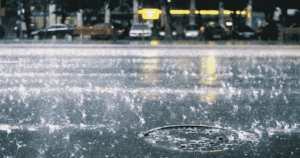
One of the hottest and driest summers on record was barely over when the World Meteorological Organization was warning of a “potentially exceptional” El Niño expected to bring a much wetter winter in 2026/27. Weather extremes should remind us that water risk is a business risk.
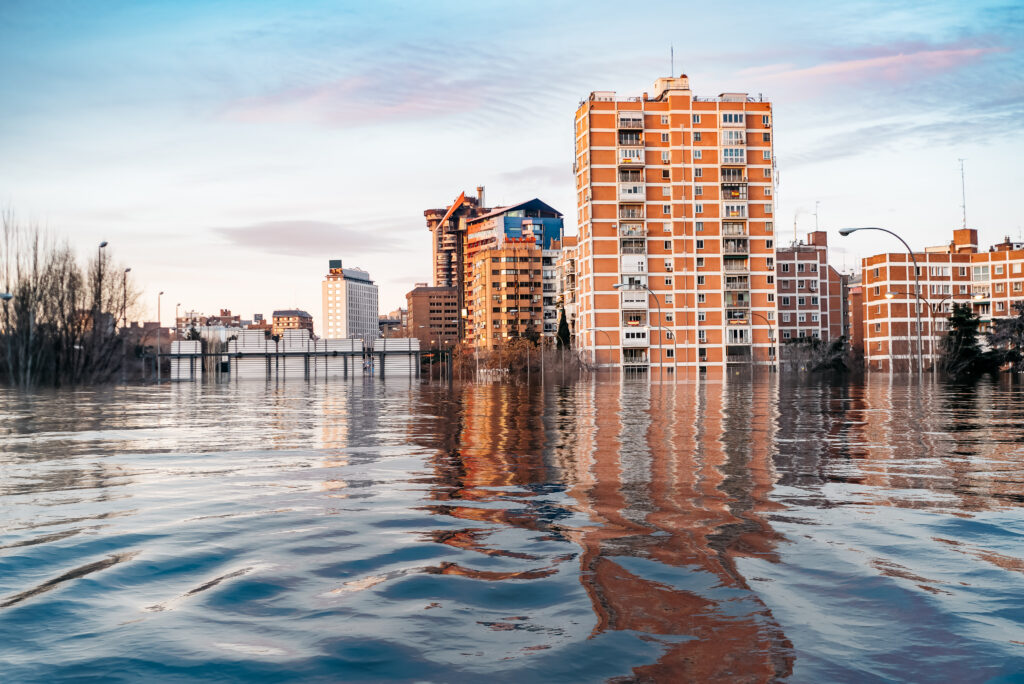
In Ireland, the Central Bank estimates that around one in seven buildings, homes and businesses alike, has some level of exposure to flood risk. And in England, around 4.6 million properties are in areas at risk of surface water flooding. Globally, flooding caused more than $42 billion in economic losses in 2025 alone, and $2 trillion since 2000. Think of the potential commercial impact on a mixed-use development, a data centre or a critical infrastructure facility if it had to suspend business operations due to flooding or interior water damage.
We have already seen examples of this happening around Ireland in recent years, with shopping centres and cinemas closed for extended periods due to flooding. What’s more, repeated water ingress could cause insurance premiums to increase, or worse, an insurer might refuse cover altogether.
Heavy, persistent rainfall places a serious and growing burden on buildings. For developers, owner-operators and facilities managers (FMs), planning for it means looking first at the part of the building most exposed to it.
Step one: protecting the asset
Protecting these assets starts at the top. When flooding occurs, the obvious culprit is the drainage system but, in our experience, the cause is more likely to be rainwater that accumulates on top of buildings. Overloaded gutters and flat-roof pooling can create structural strain that ultimately leads to water penetrating into the building through the roof.
In the past, many building owners overlooked this risk because, unlike alarms or lighting that’s immediately visible, roofs are out of sight and consequently often out of mind.
Part of the problem is that rainwater management has rarely had a clear owner. At design stage, it can sit between the architect and the mechanical engineer, with neither taking full responsibility. During construction, it passes between the main contractor, the mechanical contractor and the roofer, and a specialist is often appointed late in the programme, if at all. Once the building is handed over, roof drainage is frequently left out of the FM plan altogether, despite the risks involved.
All these factors mean it’s no surprise that roofs were sometimes neglected, even though, as the highest point of a building asset, they’re the primary collection surface for rainfall.
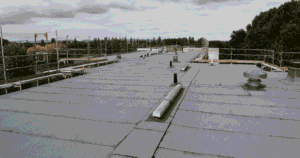
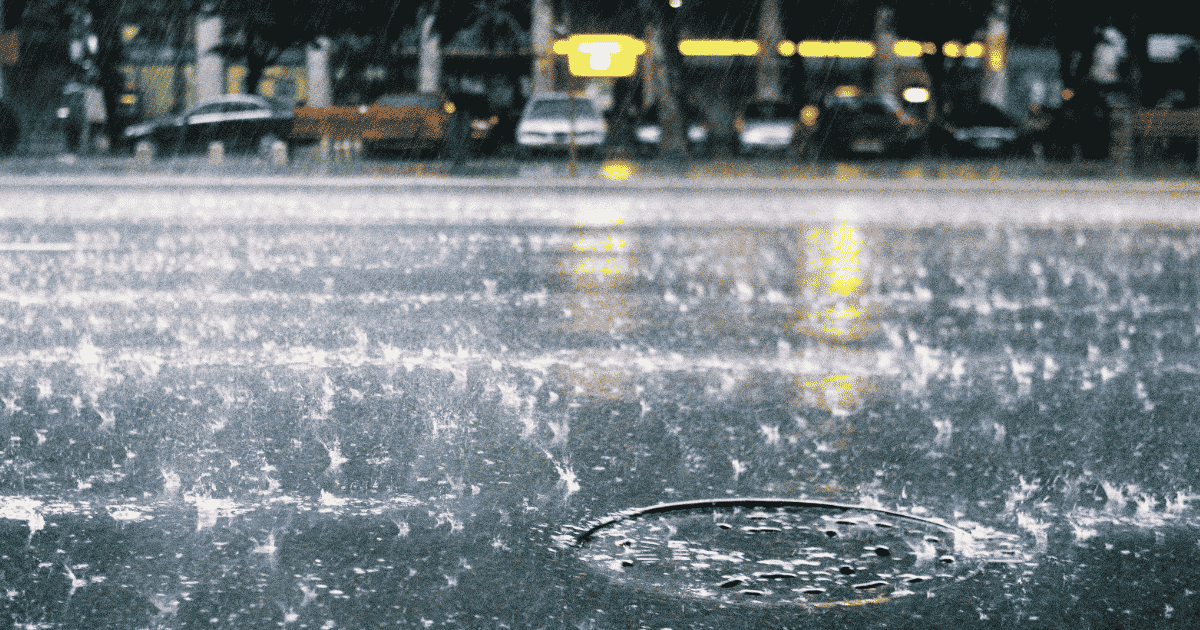
On a large-scale commercial or mixed-use development, a roof can span tens of thousands of square metres. During an extreme storm event, this vast surface area acts as a massive funnel, capturing hundreds of thousands of litres of water within minutes.
And that risk is increasing as buildings are required to cope with more demanding rainfall events. If a roof’s drainage infrastructure can’t cope with peak intensity, the consequences can be immediate. For owners and operators, the priority is understanding whether the existing system remains appropriate for the asset and where its vulnerabilities lie.
But there are preventative actions that management companies or owner/operators can take to make sure the roof isn’t storing up any unwelcome surprises for when the weather worsens.
This starts with survey and maintenance work. Through our Rainwater Consulting Service, delivered in partnership with JBA Consulting, Capcon can assess the full rainwater journey across an asset: from roof-level collection and drainage performance to surface water pathways, flood risk and opportunities for rainwater capture and reuse. For existing assets, this can include condition and risk assessments, drainage-system analysis and planned preventative maintenance strategies. For new developments, early-stage advice can inform rainwater strategy, drainage design, flood resilience, SuDS and rainwater harvesting before key design decisions are fixed.
Much of our work is on surveying existing developments for management companies. We carry out roof-down assessments to make sure drainage systems are fully functional and clear, and that there are no blockages or damage on roofs. We then map and track the journey of rainwater from when it hits a building and from there we develop a planned, preventative maintenance schedule for the winter period. This mitigates the risk of damage, protects the roof structure, and saves unanticipated costs around roof repair and rebuild.
Step two: managing the asset
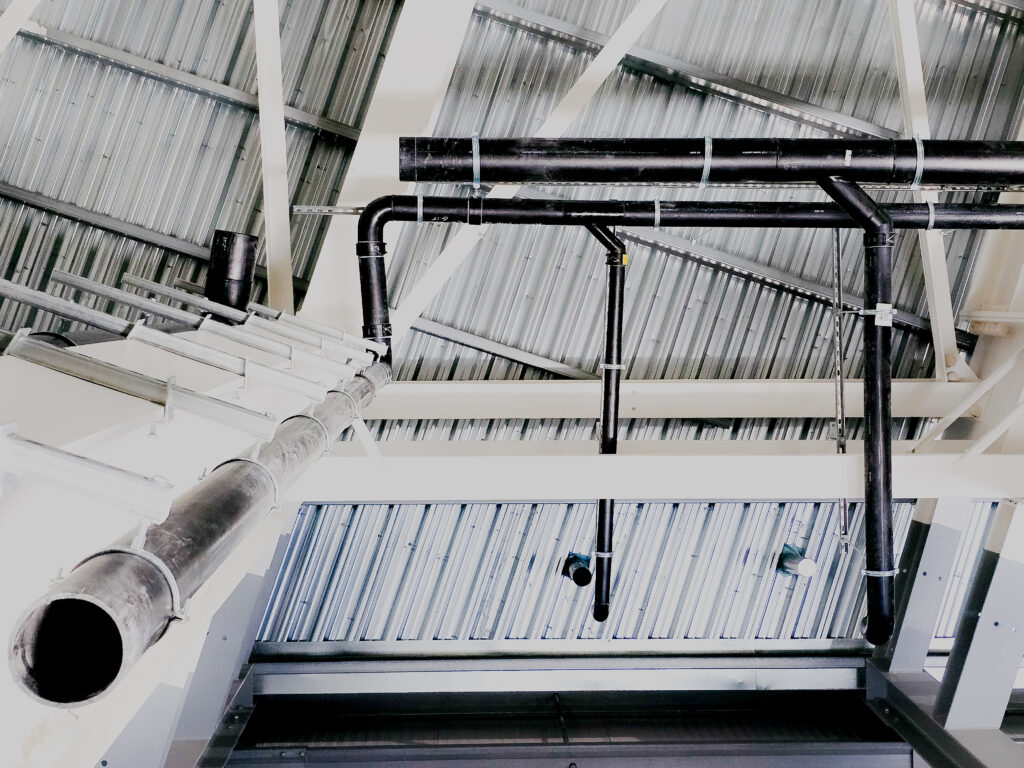
Where an existing rainwater drainage system, siphonic or gravity-fed, is no longer capable of meeting the building’s requirements, upgrading the drainage strategy may form part of the recommended approach. In standard gravity drainage systems, air and water flow together through pipes. Where appropriate, a siphonic system can provide an alternative engineered solution for managing high volumes of roof water efficiently.
The correct approach should follow the assessment of the building, its drainage infrastructure, and the specific risks identified.
For many large or complex commercial buildings, siphonic rainwater drainage can be particularly effective in managing sudden, intense rainfall. Unlike gravity systems, siphonic drainage is designed to operate with full-bore flow. This moves water rapidly from the roof through smaller, horizontal pipe networks, designed to cater for the peak drainage requirements of any project to provide maximum protection to the individual asset.
There are multiple benefits to siphonic systems from an engineering perspective: it moves water away from the roof surface quickly, which greatly reduces the risk of pooling and overloading the roof structure during sudden bursts of heavy rain.
Siphonic systems need less pipework, which reduces the cost and takes up less physical space on site. With fewer downpipes needed, and no slope on horizontal collector pipes, this frees up valuable internal ceiling space for retail layouts, MEP services, or residential heights. It also reduces the need for underground drainage and enables water to be brought back on site where it can be filtered and reused throughout the building, reducing the burden on the mains water supply.
High-efficiency pre-treatment systems also remove silt, leaves, and organic debris which prevents further buildup in the local sewer system that could lead to street-level flooding in the surrounding area.
Step three: water capture and reuse
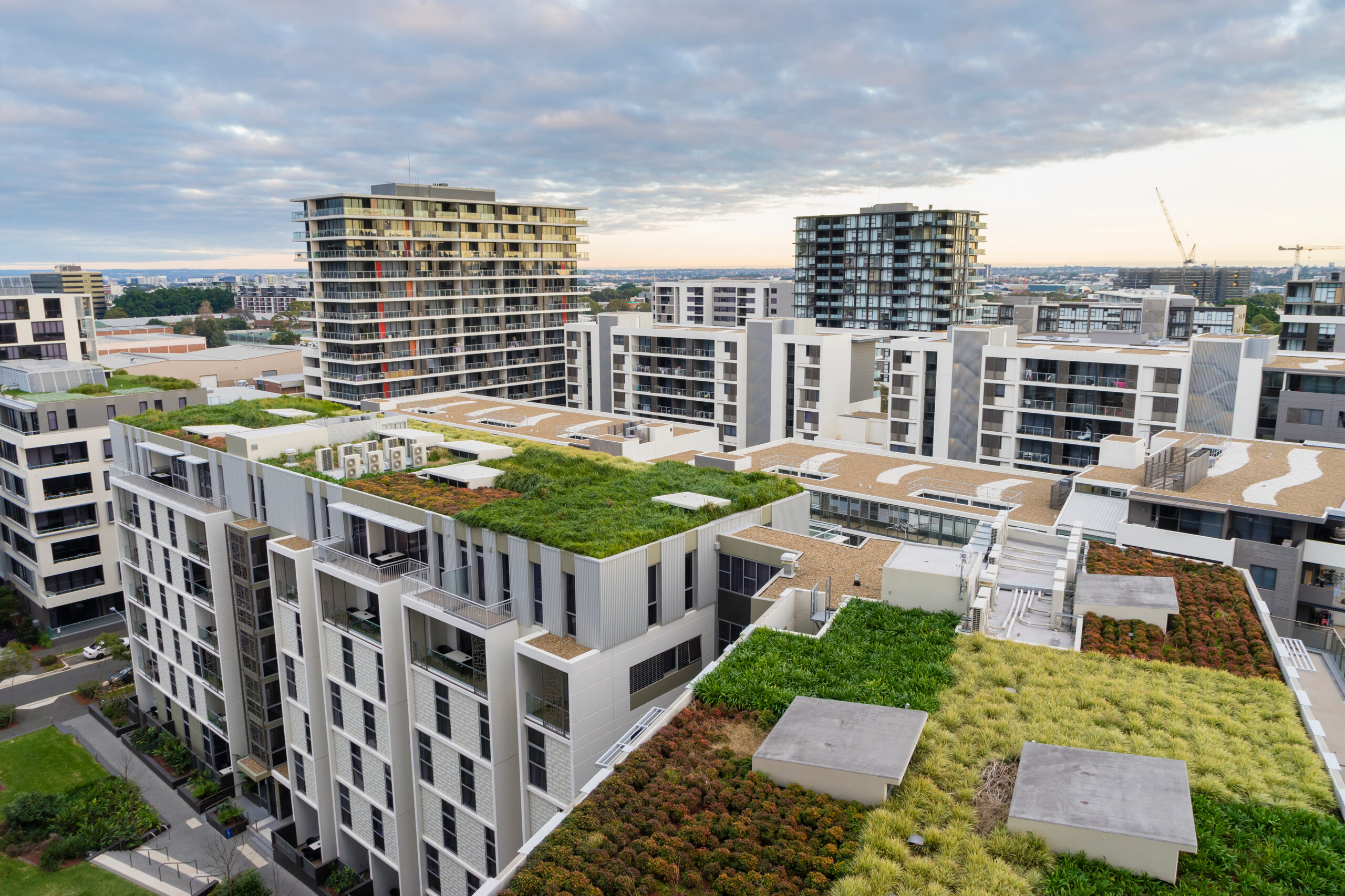
Rather than rushing to dump peak rainfall into overburdened municipal sewer networks, which contributes to localised street-level flooding, resilient developments are embracing Sustainable Drainage Systems (SuDS) and Rainwater Harvesting. By treating the roof as a resource collection area, assets can capture, filter, and store water in tanks located underground or above ground. This water can then be pumped back into the building for on-site, non-potable needs ranging from HVAC and cooling systems, to toilet flushing, or maintaining gardens, green spaces, living walls and landscaped areas.
Local authorities are placing increasing emphasis on SuDS, climate resilience and responsible surface water management. Addressing these requirements early can strengthen the overall planning and design strategy for a development. We’re seeing more mixed-use developments incorporating social and recreational areas such as greenways, gardens or other outdoor features alongside nature-based solutions. Integrating measures such as green roofs and rain gardens into the wider rainwater strategy can help retain rainfall on site, reduce pressure on drainage infrastructure and contribute to a more resilient development.
Proactive rainwater management is both an engineering choice and increasingly a core pillar of corporate strategy and investor relations. For organisations pursuing water-positive ambitions, capturing, reusing and managing rainwater more effectively can form an important part of wider water stewardship and resilience strategies. Quantifiable water conservation and climate adaptation metrics help to meet modern investor expectations. A carefully planned and well designed rainwater management programme directly supports reporting for frameworks like TCFD (Task Force on Climate-related Financial Disclosures), CSRD (Corporate Sustainability Reporting Directive), and the emerging UK SRS (Sustainability Reporting Standards).
Anticipating future needs
As rainfall volumes and storm intensities continue to break historical records, designing and managing water infrastructure requires specialist expertise. The industry is moving away from retrospective fixes to resilient developments.
It’s time to think about flood risk differently, especially for owners and managers of existing building assets. Don’t start where water ends up on the ground, but where the rainwater journey begins: on the roof. Working with specialists to assess the areas of greatest exposure, identify surface water pathways, and develop a plan to mitigate risk can be a defining factor in protecting buildings for the future.
For data centres and other mission-critical facilities, where water ingress or operational disruption can have significant consequences, understanding the entire rainwater pathway should form part of the asset’s resilience strategy.
We recommend engaging with rainwater specialists early in the pre-design phase for developments still in the planning stage. Not considering rainfall damage could turn out to be a hidden business cost that runs into millions, either through late-stage redesign or worse, costly mitigation to repair flood damage after the fact.
At a fraction of that amount, it’s worth taking the time to implement a proper rainwater management strategy to protect the asset for the long term. With over 16 years working across the rainwater lifecycle and water management, Capcon Engineering brings specialist experience from the roof level through to final discharge, attenuation and reuse.
Our consulting and pre-design advisory services are built around a simple principle: assess the risk, design the right strategy, manage the asset and identify opportunities to capture and reuse water.
Early engagement can save costs, improve programme delivery, reduce the risk of late-stage redesign, and enhance how the asset is managed over its lifetime. For new developments, it can also demonstrate that rainwater, flood resilience and water reuse have been considered as part of the wider design strategy.
For existing assets, it provides owners and managers with a clearer understanding of current exposure and the practical interventions required. Capcon’s Rainwater Consulting Service brings these elements together in one end-to-end approach, helping clients to protect their assets today while planning for how they will manage, capture and reuse water in the future.
Find Out More About What We Do
Visit our Consultancy page to discuss your project’s specific drainage requirements with our specialist team.